

Sustainability

30 December 2025
Value is no longer defined only by beauty, but by ethics, transparency and sustainability. Consumers want to know where materials come from and under what conditions they were made, yet complex supply chains often hide risks. With the EU’s ESPR and Digital Product Passports raising the bar on traceability, transparency is becoming a business necessity and a competitive advantage.
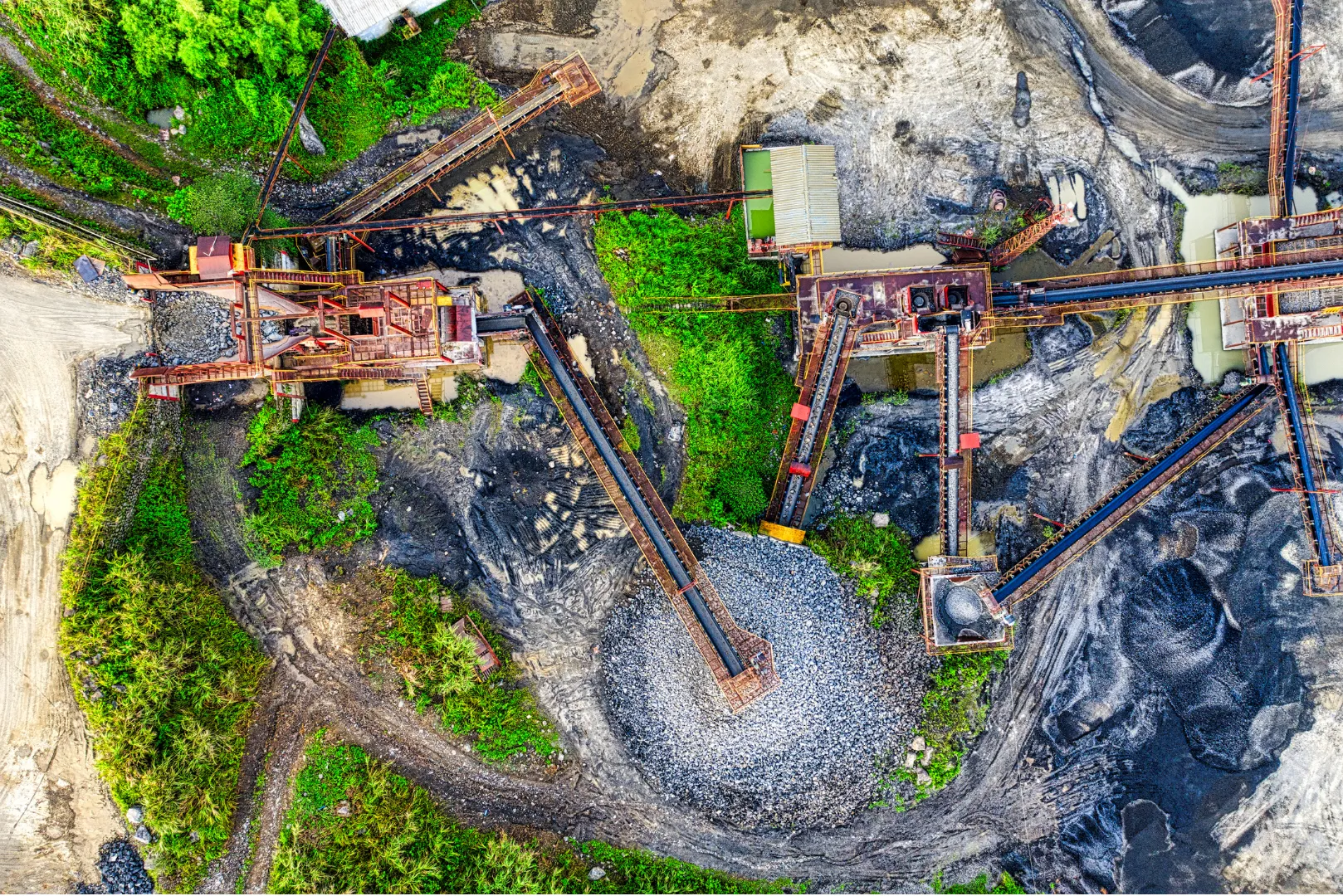
The jewellery industry is at a turning point. Once defined purely by beauty and craftsmanship, true value now depends on ethics, transparency, and sustainability. Consumers increasingly want to know the full story behind every piece. Where materials come from, who mined them, and under what conditions they were made. However complex global supply chains often conceal challenges such as unsafe labour practices, human rights violations, and environmental degradation.
This growing demand for accountability is being reinforced by the EU’s Ecodesign for Sustainable Products Regulation (ESPR), which makes sustainability the default standard for a specific range of goods sold in the European market. The regulation requires companies to improve product durability, circularity, and traceability while introducing Digital Product Passports (DPPs) as digital records that trace each item’s origin, material composition, and environmental footprint. For jewellers and manufacturers, this marks a profound shift, transparency is becoming a regulatory obligation.
This expectation now extends to broader areas of corporate responsibility, from upholding human rights and responsible mining to minimising carbon emissions and waste. Companies are proactively managing their supply chains to ensure ethical conduct, fair wages, and environmentally sound practices at every stage of production. The companies who embrace this shift early will not only stay ahead of regulation but also gain a competitive edge in a market that rewards integrity.
Many brands still see ethical sourcing as a compliance exercise, but it as an opportunity to strengthen brand trust and resilience. It builds credibility with consumers, confidence among retailers, and long-term value for investors. In short, ethical sourcing is not just about ethics, it’s about making smart business decisions.
The transition may seem daunting, but it starts with practical, manageable steps that can be integrated into existing operational processes:
Transparency is now becoming the key to resilience, reputation, and sustainable growth in the future of responsible luxury. We help brands take their first step towards mapping their supply chain and creating a framework for constant visibility. Contact us to find out how.


Share:




Alternatively, book a discovery call with one of our experts.


.svg)

Empowered Origins. Trusted Products.
© 2026 Ennotrace. All rights reserved.
Empowered Origins. Trusted Products.
© 2026 Ennotrace. All rights reserved.
